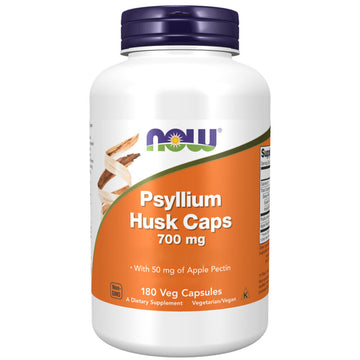
Prebiotic fibres are non-digestible carbohydrates that pass intact to the large intestine, where they selectively feed beneficial bacteria — primarily Bifidobacterium and Lactobacillus species. This collection covers four clinically studied prebiotic fibre types available in Ireland: inulin (FOS), psyllium husk, slippery elm bark, and Fibersol-2 (resistant maltodextrin). Each works differently. Choosing the right one depends on your goal.
| Fibre Type |
Primary Mechanism |
Best Use Case |
| Inulin / FOS |
Bifidogenic — selectively increases Bifidobacterium; produces SCFAs (acetate, propionate) |
Daily microbiome prebiotic support |
| Psyllium Husk |
Gel-forming mucilaginous fibre; stool bulking and softening |
Bowel regularity; EFSA-authorised cholesterol claim at 10g/day |
| Slippery Elm |
Mucilaginous bark extract; coats and soothes the GI tract lining |
Traditional use for GI comfort; used in IBS and reflux support |
| Fibersol-2 |
Resistant maltodextrin; partially fermented; low GI impact |
Digestive balance; tolerated by those sensitive to high-FOS fibres |
Inulin and IBS: Inulin is a high-FODMAP fermentable fibre and is not suitable during the elimination phase of a low-FODMAP diet. People with IBS should seek guidance from a registered dietitian before using inulin or FOS supplements. Psyllium husk and slippery elm are generally better tolerated in IBS.
Starting dose: All fermentable fibres can cause bloating and gas during adaptation. Start with a low dose and increase gradually over 1–2 weeks to allow the gut microbiome to adjust.
All products on this page are food supplements regulated under FSAI guidelines. They are not medicines. Irish VAT at 13.5% is included in all prices. For a detailed evidence review of inulin — including clinical trial data, dosage guidance, weight management research, and the gut-brain axis sleep connection — see our full guide: Inulin Supplement Ireland: Prebiotic Powder Evidence Guide →